THE GLASSES
Little difference found
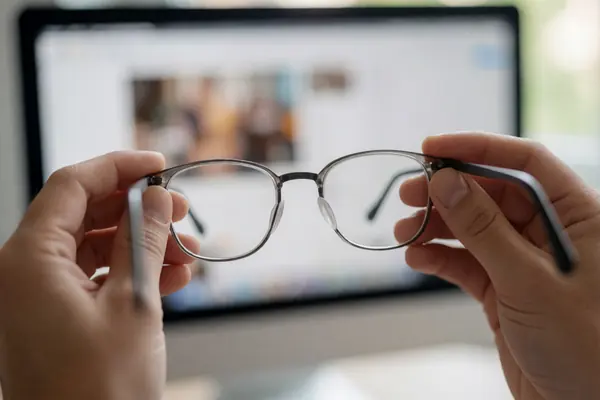
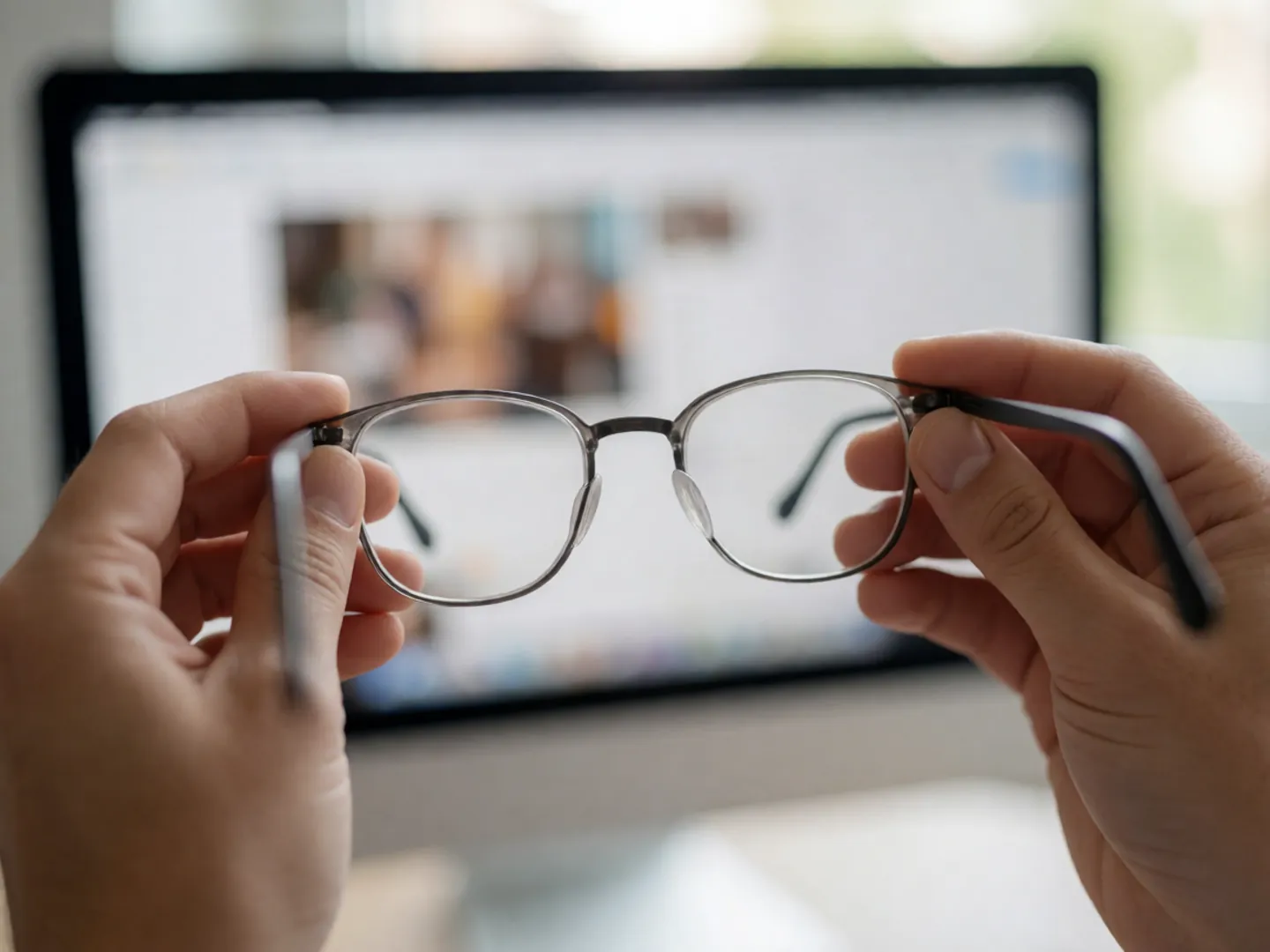
A 2023 Cochrane review of 17 trials and 619 people found blue-light filtering lenses may not reduce short-term eye strain from computer use.
See the numbers
WHAT THE EVIDENCE SAYS
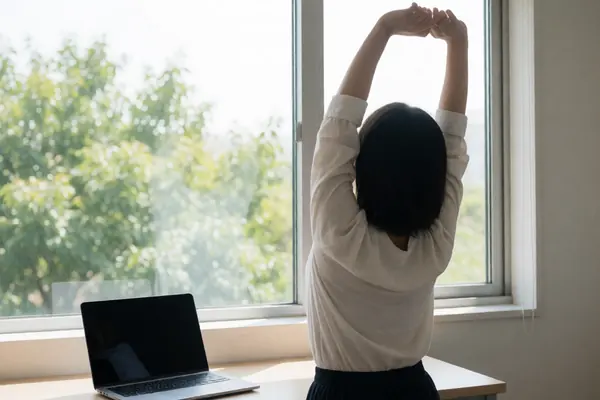
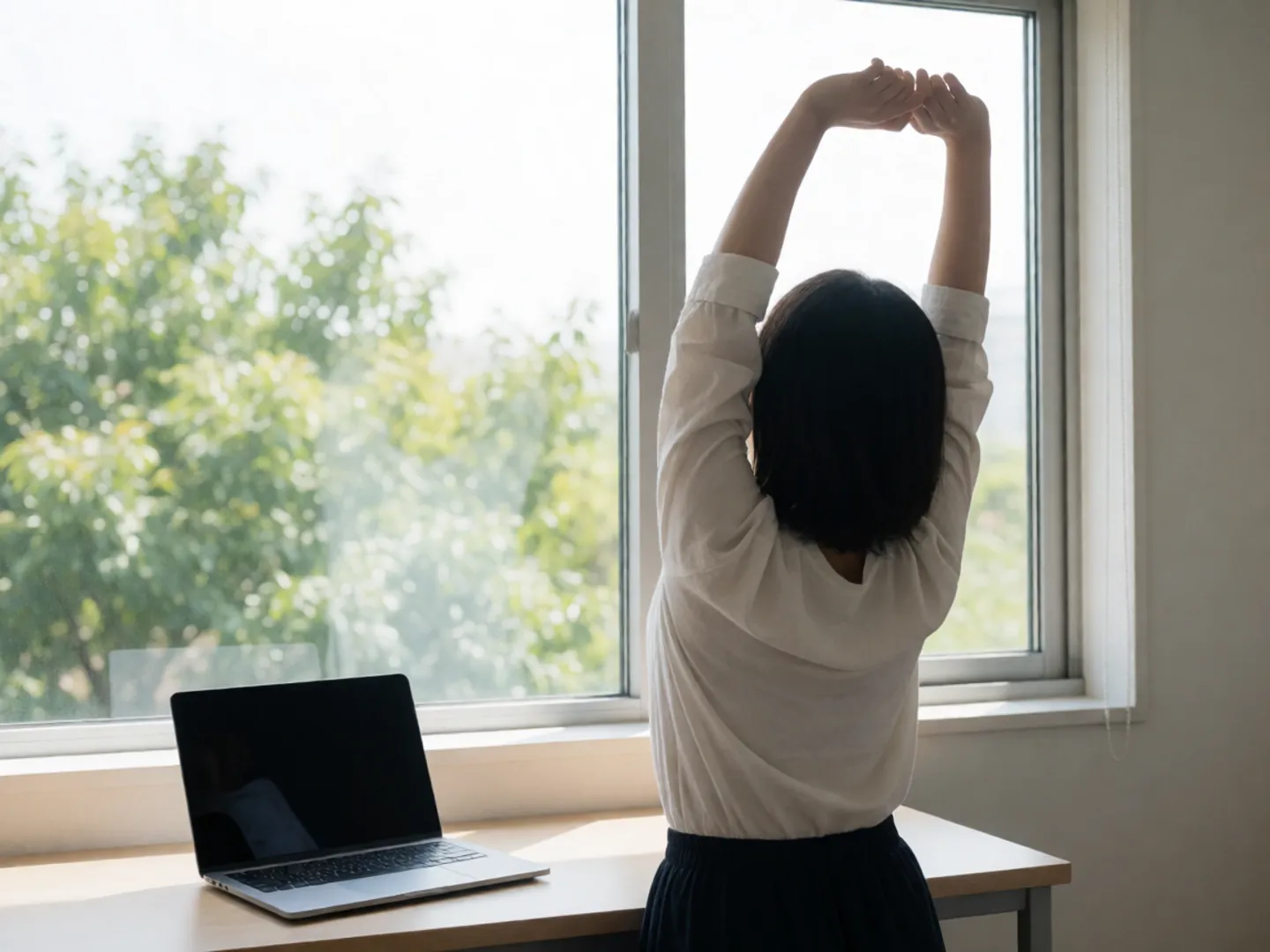
LOOK UP and take a break
AI-generated image, not a photograph of a real person or place.
Long screen days can leave eyes tired.
Blue-light filtering glasses are often sold as the fix. A Cochrane review of 17 trials found they may make no short-term difference to eye strain from computer work. UK workplace guidance points to simpler things: breaks, a well set-up screen and an eye test.
THE SHORT ANSWER
The best trials so far found little benefit.
Guidance focuses on how you work instead.
THE GLASSES
A 2023 Cochrane review of 17 trials and 619 people found blue-light filtering lenses may not reduce short-term eye strain from computer use.
See the numbersBREAKS
HSE says short, frequent breaks are better than long, rare ones: 5 to 10 minutes every hour beats 20 minutes every 2 hours.
Habits to tryEYE TESTS
If you use a screen daily for an hour or more at a time, your employer must pay for an eye test if you ask for one.
Check your screen dayGeneral information only, not medical advice. For advice about your own health, speak to a doctor, pharmacist or other qualified health professional.
FOUR HABITS TO TRY
HSE suggests a few simple steps for screen users. None of them needs special lenses.
Check the screen is well positioned and properly adjusted, as HSE advises for tired eyes.
Make sure lighting suits the work, so the screen is not fighting glare or a dim room.
Stand up, move or stretch for a few minutes every hour rather than one long break later.
The NHS recommends a test every 2 years. If you are a DSE user, ask your employer to pay.
TWO NUMBERS WORTH KNOWING
One figure on the size of the evidence,
one on how often to break from the screen.
17 trials
Randomised trials of blue-light lenses reviewed
The review pooled 17 trials with 619 people in six countries. It found blue-light filtering lenses may give no short-term advantage for visual fatigue with computer use.
COCHRANE REVIEW · 2023
5–10 min an hour
A better pattern of screen breaks
HSE says 5 to 10 minutes every hour is better than 20 minutes every 2 hours, and that ideally users should be able to choose when to take breaks.
BREAKS · HSE
The Cochrane authors searched for studies up to 22 March 2022. They found the effects on sleep unclear and said no study had measured macular health, so better trials are still needed.
A QUICK SCREEN-DAY CHECK
Pick the situation closest to yours to see what HSE and NHS guidance says. The bar shows how much the guidance asks of you or your employer.
Based on HSE guidance on display screen equipment and NHS advice on eye tests. This is general information, not personal medical or legal advice.
SCREENS AND YOUR EYES
HSE says screen work does not cause permanent damage to the eyes. Long spells of it can bring tired eyes, discomfort, temporary short-sightedness and headaches.
Because screen work is visually demanding, it can make people notice eyesight problems they had not spotted before, including changes that come with age. That is one reason an eye test is worth having.
In conversation
The best evidence so far says probably not in the short term. A 2023 Cochrane review of 17 trials found blue-light filtering lenses may not reduce eye strain from computer use compared with ordinary lenses.
The Cochrane review found the effects on sleep unclear and the evidence inconclusive. The College of Optometrists says there is no strong evidence they improve sleep quality.
HSE says display screen work does not cause permanent damage to eyes, but long spells can lead to tired eyes, discomfort, temporary short-sightedness and headaches.
If you use a screen daily for continuous periods of an hour or more, HSE says your employer must provide and pay for an eye test if you ask, and pay for glasses only if you need them just for screen work.
There is no legal rule on length. HSE says short, frequent breaks are better, for example 5 to 10 minutes every hour rather than 20 minutes every 2 hours.
Each figure on this page comes from the sources below.
ABOUT THIS NAME
thinktechwear.com is part of the DoodleSale portfolio. It isn't in an auction right now, but you can ask about leasing it.